
صحافة الكترونية مرخصة وزارة الاعلام ترخيص رقم 366-2019

صحافة الكترونية مرخصة وزارة الاعلام ترخيص رقم 366-2019
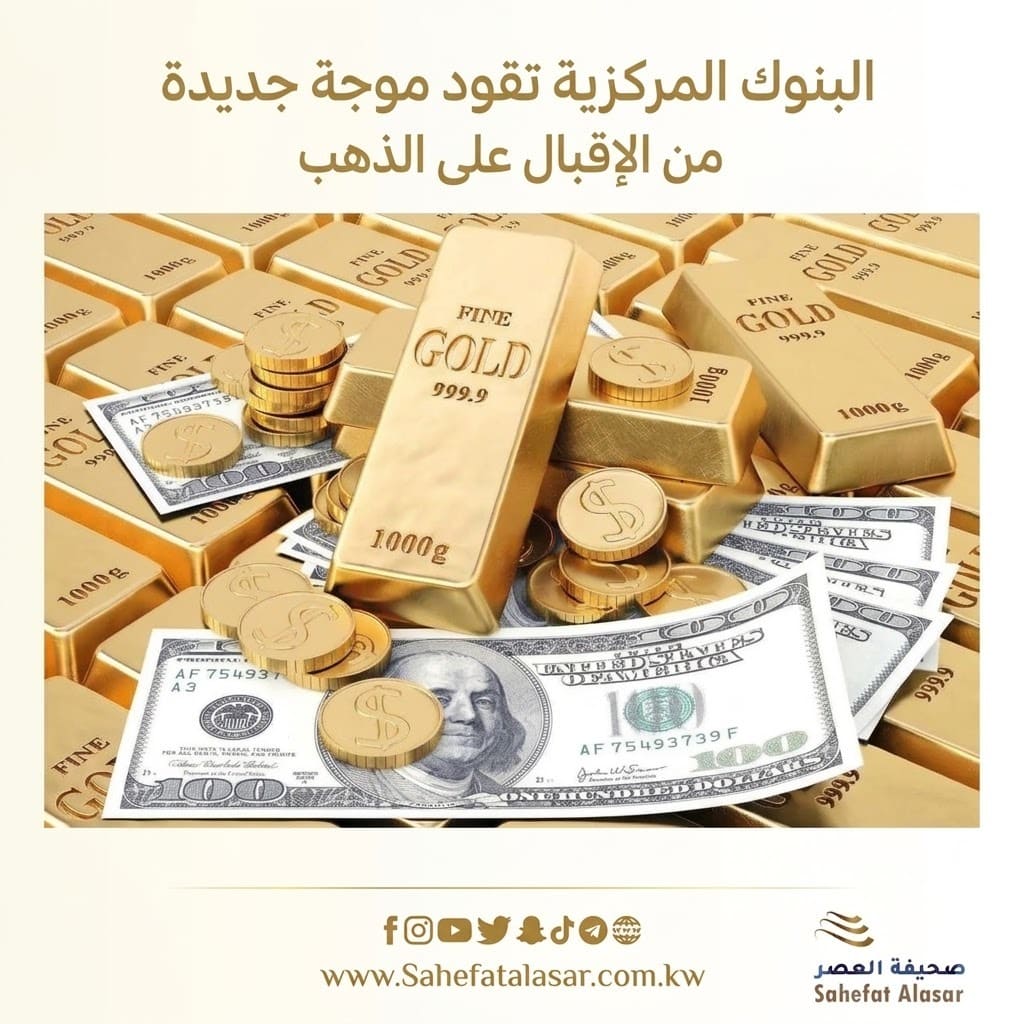
Gold is experiencing a renewed surge, driven by a confluence of economic and political factors that are stimulating demand from investors worldwide, particularly central banks. After stabilizing around $4,000 an ounce for several weeks, gold has jumped by approximately $400, or 10%, since the beginning of August and may be on track for its best monthly performance this century. The last time it rose by 13% or more in a single month was in September 1999.
Several key US-related factors have contributed to this surge, most notably the Federal Reserve's accommodative interest rate policy, weak employment data, and relatively low inflation. All of these factors have dampened expectations of further interest rate hikes by the Fed and led to a decline in the value of the dollar, thus boosting demand for gold.
But this comes against a worrying geopolitical and political backdrop that has reminded the world of gold’s inherent appeal, particularly for reserve managers. The US-Iran war has escalated again, and hopes for a peace agreement, however unsatisfactory, are fading. President Donald Trump’s window of opportunity to back down before the November midterm elections is also narrowing.
While escalation or capitulation are not Trump’s only options, some analysts are now beginning to consider this the more likely scenario. Meanwhile, doubts are growing about the Federal Reserve’s independence and the credibility of its chairman, Kevin Warsh, in combating inflation. Investors were unimpressed by his July comments regarding the central bank’s 2% inflation target.
Moreover, media reports indicate that Trump has repeatedly contacted Warsh since his appointment and has revived his attempts to oust Federal Reserve Chair Lisa Cook. All of this has rattled the bond market. The yield on the benchmark 10-year US Treasury note rose to its highest level in 18 months, while the yields on the 30-year and 30-year Inflation-Protected Securities (IPT) reached their highest levels since 2007 and 2008, respectively. Perhaps unsurprisingly, central banks continue to reduce their holdings of Treasury securities deposited at the Federal Reserve Bank of New York, which are at their lowest level since 2012.
Economist Phil Suttle wrote last week: “The US is now in a phase where its global benefits from issuing the world’s reserve currency have been exhausted; the next phase (which may already be underway) is what will happen when foreign holders of your obligations become more anxious about holding them.”